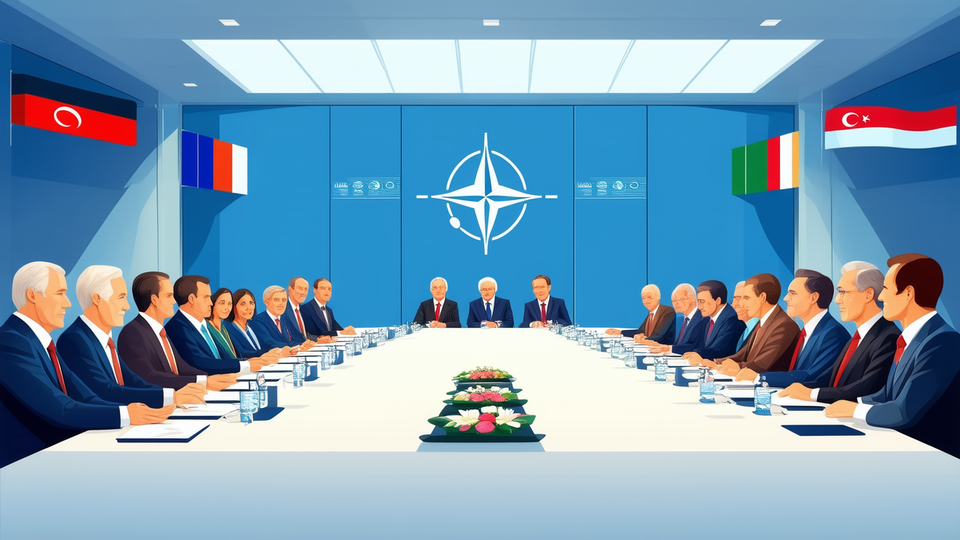
U.S. Airstrikes Kill 14 in Iran Ahead of Khamenei Burial – July 9, 2026
U.S. Strikes Kill 14 in Iran Ahead of Khamenei Burial
On July 9, 2026, the United States launched a second night of airstrikes across Iran, reporting fourteen deaths and seventy‑eight injuries. The Iranian Health Ministry confirmed the toll, noting casualties in the provinces of Khuzestan, Iranshahr and other southern regions. The attacks targeted air‑defence systems, missile storage sites, naval facilities and logistic infrastructure along the Persian Gulf coastline.
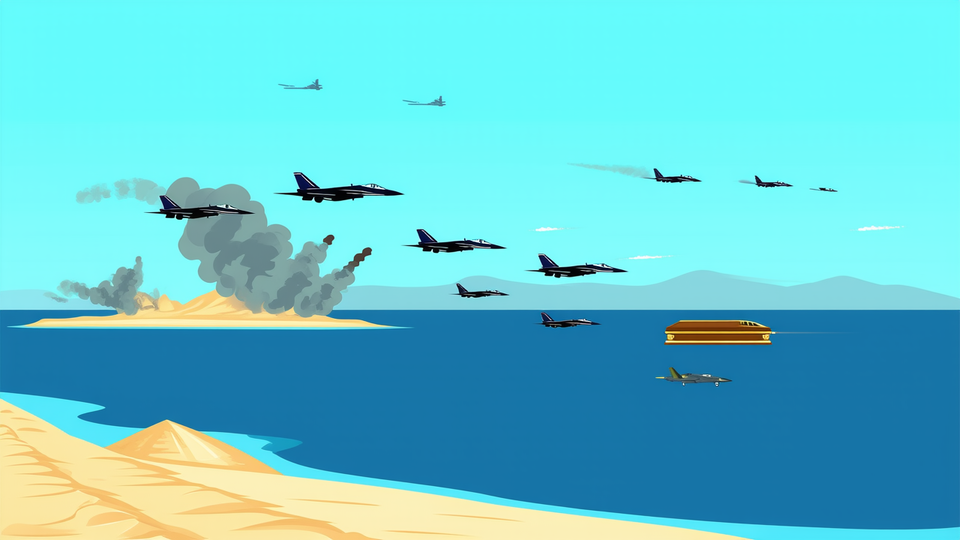
These strikes came as the body of the former Supreme Leader Ayatollah Ali Khamenei was being transported to Mashhad for burial. Iranian state media showed the coffin arriving in the holy city, escorted by fighter jets, while the Revolutionary Guard warned that bridges on the route to Mashhad had been hit. The timing heightened tension, as mourning ceremonies were expected to provide a brief pause in hostilities.
The United States justified the operation as a response to recent Iranian attacks on three commercial oil tankers in the Strait of Hormuz. President Donald Trump warned that any further attempts to close the strait would result in “much worse” U.S. retaliation. Vice President JD Vance reiterated the promise of forceful response if Iran continued to threaten maritime traffic.
Iranian officials accused the United States of committing war crimes, describing the airstrikes as malicious and “mentally deranged.” Their Foreign Ministry claimed the attacks violated a cease‑fire agreement established in early April, and called the U.S. actions a breach of treaty and treachery. Iran’s Islamic Revolutionary Guard Corps reported counter‑attacks on U.S. bases in Bahrain, Kuwait and Qatar.
Regional allies reacted with caution. The U.S. Embassy in Amman, Jordan, issued an immediate shelter‑in‑place alert after missiles were reported over the capital. Jordanian forces later reported intercepting eight missiles without casualties. Kuwait’s armed forces confirmed interception of missiles, drones and a cruise missile, reporting one injury and some property damage.
Despite the escalation, civilian travel to Mashhad for the burial remained possible, though flights over the city were banned for security reasons. Iranian railway services between Tehran and Mashhad were temporarily suspended after a bridge was destroyed, complicating pilgrim movement.
The episode illustrates the fragile balance of power in the region. While the United States aimed to deter Iran’s maritime aggression, the resulting civilian casualties and damage to critical infrastructure risk deepening the humanitarian impact of the conflict. Continued diplomatic efforts will be essential to prevent further loss of life and to restore stability to the Gulf’s vital shipping lanes.