Senate Commerce Committee Moves to Tighten Ban on Chinese Vehicles
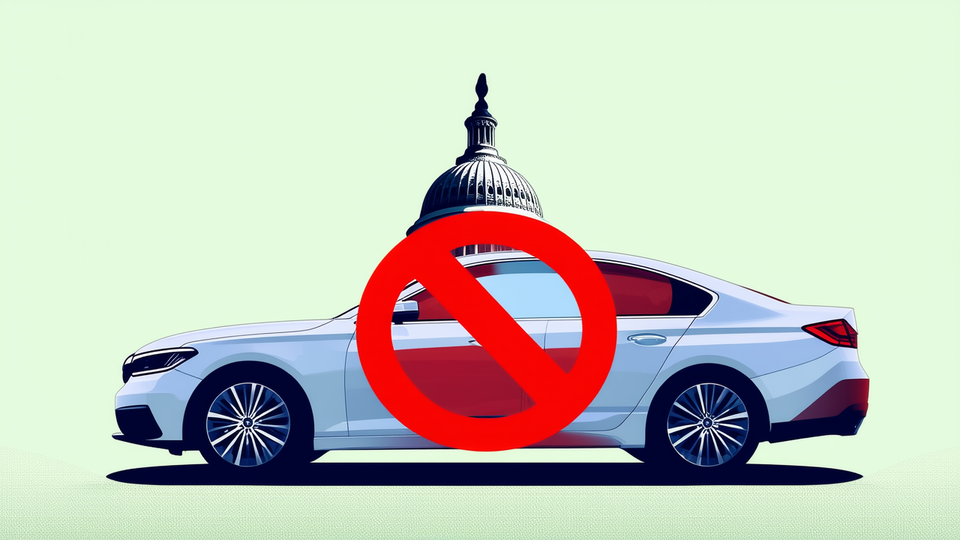
Washington, DC – The Senate Commerce Committee is set to cast a decisive vote on July 15, 2026 on the Connected Vehicle Security Act of 2026, a measure designed to solidify the United States’ stance against Chinese automotive influence. The legislation, co‑authored by Republican Senator Bernie Moreno of Ohio and Democratic Senator Elissa Slotkin of Michigan, seeks to make the current ban on Chinese‑built passenger vehicles a permanent fixture of U.S. law.
At its core, the bill would prohibit the import, manufacture, sale, and resale of any vehicle, software, or hardware that originates from China or other designated foreign adversaries. It also grants the Department of Commerce the power to identify and block high‑risk vehicle technologies, with hardware restrictions slated to take effect in 2030, following earlier software restrictions set for 2027.
Supporters argue that Chinese‑made cars pose a “serious threat to America’s national security,” highlighting the ability of these vehicles to collect data from American drivers and critical infrastructure. Senator Slotkin emphasized the surveillance potential, stating that Chinese cars are “surveillance packages on wheels.” The bill enjoys backing from major industry players, including General Motors, the United Auto Workers (UAW), and the CAR Coalition, all of which see the legislation as a safeguard for the domestic auto sector.
The political landscape surrounding the vote reflects a bipartisan consensus. While the Senate Commerce Committee is chaired by Republican Senator Ted Cruz of Texas, the bill’s sponsors span party lines, underscoring a shared concern over data security and economic competitiveness. Even as some automotive manufacturers navigate existing barriers, the vote is expected to cement a legal framework that would make any future reversal politically and legally difficult.
In addition to targeting vehicle imports, the legislation also addresses foreign ownership stakes. A provision limits foreign investment in U.S. automakers to a 15% threshold, a level that could affect companies such as Mercedes‑Benz, where Chinese investors hold roughly 20% of the firm. This broader approach aims to curtail indirect influence that could arise through equity stakes.
The upcoming vote arrives amid a series of recent government actions that have already limited the market access of Chinese automakers. Earlier in the year, the Commerce Department denied Chinese‑affiliated brand Polestar, owned by Geely, the authorization needed to sell its vehicles in the United States. The current bill seeks to formalize those restrictions and provide the Commerce Department with clearer enforcement tools.
Critics caution that the legislation could have trade repercussions and may invite retaliation from China, a key global market for U.S. exports. Nevertheless, the prevailing sentiment among U.S. lawmakers and industry leaders is that protecting national security and safeguarding American jobs outweighs potential diplomatic costs.
As the July 15 vote approaches, the automotive community watches closely. Should the bill pass, it will not only solidify the ban on Chinese vehicles but also set a precedent for future scrutiny of foreign‑linked technology across other sectors. The outcome will likely shape the competitive landscape of the U.S. auto market for years to come.