Eleven More Migrants Deported to Eswatini Under Trump’s Third‑Country Policy
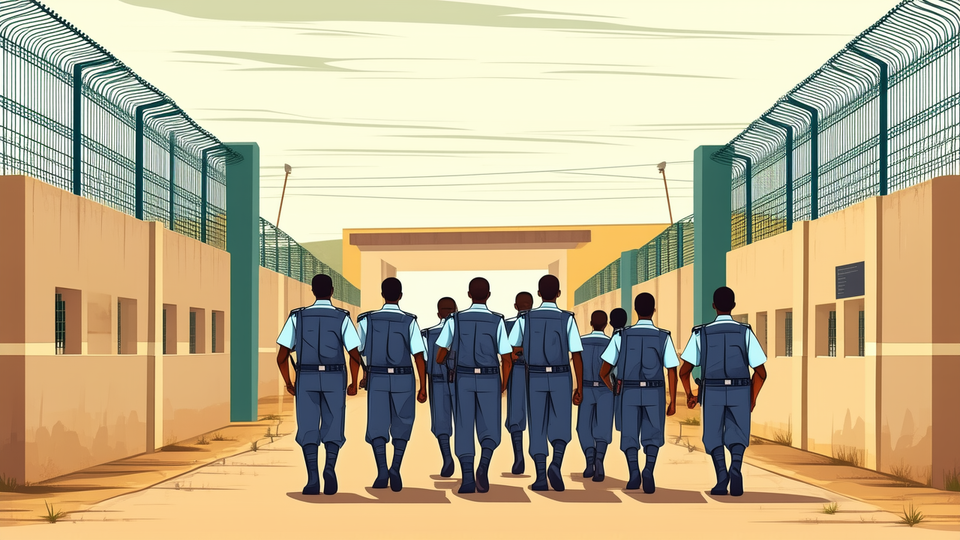
Third‑Country Deportations to Eswatini
On July 8, 2026, eleven more migrants were transferred from the United States to the Kingdom of Eswatini under the Trump administration’s third‑country removal policy. A U.S. lawyer monitoring the case confirmed the arrival, noting that the group joins 18 others previously sent under a $5.1 million bilateral agreement.
The agreement, first implemented in 2025, directs individuals who cannot be repatriated directly to their countries of origin to a third nation willing to host them. In Eswatini, the detainees are placed in the Matsapha maximum‑security correctional facility, a prison known for holding high‑profile inmates. Of the 29 people now in Eswatini’s custody, only two have been released and sent to Jamaica and Cambodia, respectively.
Eswatini’s government spokesman, Thabile Mdluli, issued a statement asserting that the fundamental rights of the third‑country nationals will be respected and protected in accordance with the nation’s laws and international obligations. The ministry also emphasized measures to safeguard national security while the migrants remain in the country.
Human‑rights advocates have repeatedly challenged the secrecy of these agreements, arguing that individuals are detained despite having already served sentences for crimes committed in the United States. Legal counsel for earlier detainees, Alma David, confirmed the latest arrivals and highlighted ongoing court challenges by local civic groups demanding transparency and parliamentary oversight.
Beyond Eswatini, the Trump administration has dispatched migrants to several other countries, including the Central African Republic, Equatorial Guinea, Sierra Leone, and the Democratic Republic of Congo. The policy reflects a broader effort to find destinations for migrants who cannot be returned home, but it has drawn criticism for lacking clear legal frameworks and for raising concerns about the long‑term welfare of those held abroad.
While the Eswatini government maintains that the arrangement aligns with humanitarian values and respects international commitments, critics warn that the practice normalizes the export of individuals to distant prisons without sufficient legal recourse. The continued arrivals underscore the complex intersection of immigration enforcement, diplomatic agreements, and the protection of basic human rights.
As the situation develops, observers will watch how both the United States and Eswatini address the legal and ethical implications of third‑country deportations, and whether future agreements will incorporate greater transparency and accountability.