

Venezuela’s Twin Quakes Trigger Humanitarian Crisis and Test Sanctions on Aid
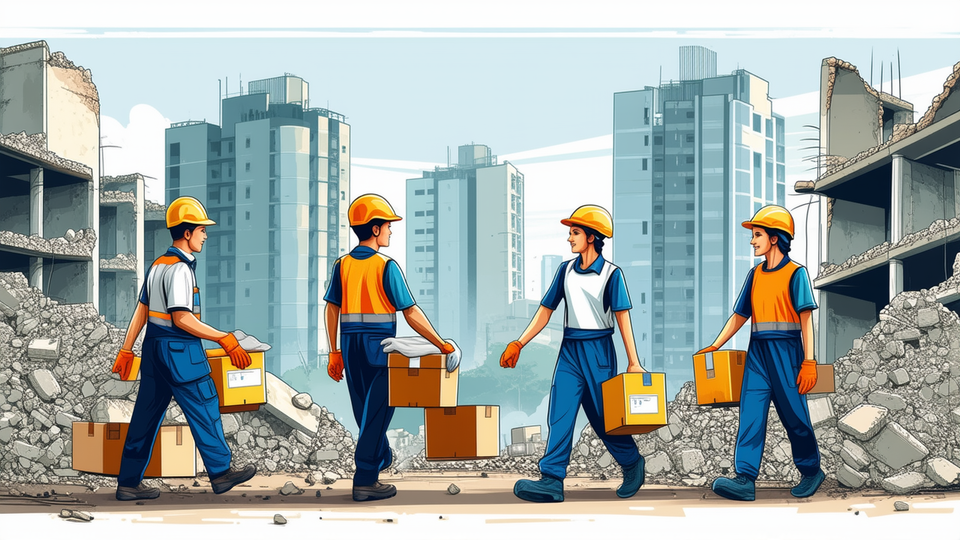
Earthquake Disaster in Venezuela: Humanitarian Aid Meets Sanctions
On the evening of June 24, 2026, two powerful earthquakes struck western Venezuela with magnitudes of 7.2 followed by 7.5. The seismic events caused widespread building collapses, especially around Caracas and the coastal state of La Guaira. Early official reports confirmed at least 164 fatalities and close to 1,000 injuries, with many more feared missing as rescue crews combed through rubble.
President Delcy Rodríguez declared a state of emergency, ordered the closure of Simón Bolívar International Airport, and urged health workers to report to hospitals. The disaster disrupted power, water and communications, leaving thousands of residents on the streets without basic services.
International response was swift. The United States mobilized a disaster assistance team, deploying search‑and‑rescue units, medical supplies and a $150 million humanitarian package. President Trump publicly pledged “ready, willing, and able” support, and the U.S. State Department coordinated with the interim Venezuelan government to deliver aid. Neighboring countries—including Argentina, Brazil, Chile, Colombia and Mexico—also pledged assistance, while organizations such as the International Federation of the Red Cross, Global Empowerment Mission and World Central Kitchen readied field operations.
However, the aid effort is complicated by long‑standing financial sanctions. Since 2005 the United States, the European Union and the United Kingdom have imposed targeted sanctions on Venezuelan officials, oil exports and financial institutions. Experts highlighted that these restrictions hinder non‑governmental organizations from transferring funds, obtaining insurance and importing essential goods. One analyst noted that “financial sanctions can make it difficult for NGOs to send money to the affected country to pay staff or suppliers,” and that additional administrative burdens slow operations.
Critics also warned that humanitarian aid could become a tool of political influence. Observers pointed out that the U.S. administration, after the January capture of former President Nicolás Maduro, seeks to secure oil assets and expand its presence in Venezuela’s energy sector. The dual motives of relief and strategic advantage raised questions about neutrality, especially when aid delivery may depend on agreements that favor U.S. interests.
Despite these challenges, many aid agencies remain committed to a rapid response. The Red Cross network in Venezuela activated its rescue teams, while the International Federation of the Red Cross emphasized the urgency of shelter, medical care and safe water. The United Nations Office for the Coordination of Humanitarian Affairs prepared urban search‑and‑rescue teams, and UN agencies such as the World Food Programme and UNICEF stood ready to support displaced families.
In the days following the quakes, the balance between immediate humanitarian needs and the constraints imposed by sanctions will shape the effectiveness of the response. Ensuring that aid reaches the most vulnerable populations without political strings attached is essential for saving lives and rebuilding communities devastated by one of the strongest earthquakes in a century.





