

U.S. Gas Prices Slip Below $4 Per Gallon for First Time Since March 2026
U.S. Gas Prices Slip Below $4 Per Gallon
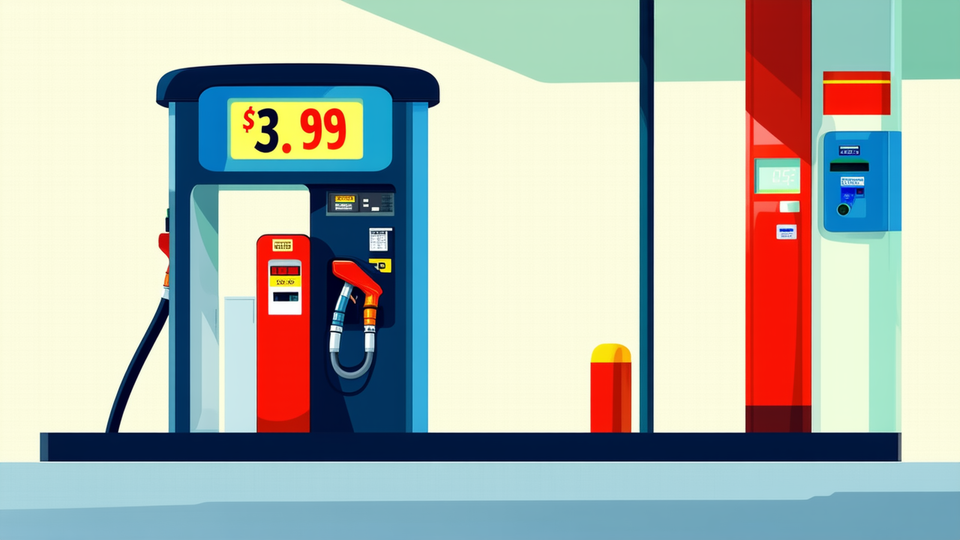
The United States saw the national average price of regular gasoline dip to $3.999 per gallon on Thursday, June 18, 2026. This marks the first time the benchmark has fallen below four dollars since March 30 of the same year. The drop, reported by the American Automobile Association (AAA), represents a modest decline of nearly three cents from the previous day.
Industry data from GasBuddy shows a similar figure of $3.98 per gallon early Thursday, confirming the downward trend that began after the Strait of Hormuz reopened. The strait, a critical chokepoint for global oil shipments, had been closed in late February amid the Iran‑U.S. conflict, cutting off roughly 20% of the world’s oil supply and causing gasoline prices to spike.
Since the closure, the U.S. pump price fell each day, reaching a high of $4.56 on May 21. Analysts attribute the recent decline to optimistic expectations that ongoing diplomatic talks will restore the flow of tankers through the strait. However, experts caution that it could take three to four months for tanker traffic to fully resume, and additional time is needed to replenish inventories lost during the months of fighting.
Even as shipments improve, the broader oil market remains pressured. Crude oil continues to trade above $70 a barrel, a level many analysts say will not return to pre‑war lows for at least a decade. Consequently, while the daily average price is falling, the rate of decline has slowed to about two cents per day, a far slower pace than the more than one‑dollar monthly increase observed during the early stages of the conflict.
Gas station owners also play a role in price dynamics. Many cut into their own profit margins during the price surge to stay competitive, and they may now seek to recoup those losses more gradually. This cautious approach helps explain the modest daily price drops despite improving supply conditions.
Looking ahead, experts warn that seasonal factors could reverse the downward trend. As summer driving peaks, heightened demand could push prices back above four dollars, especially given that national gasoline inventories remain low. Nonetheless, the recent dip below $4 offers a brief reprieve for commuters and highlights the complex interplay of geopolitics, market forces, and consumer pricing in the U.S. fuel sector.
In summary, the United States has once again seen the average gasoline price dip below a four‑dollar per gallon threshold, a development linked to the easing of geopolitical tensions in the Middle East. While the immediate outlook may be modestly positive for drivers, long‑term price stability will depend on steady oil flows, inventory levels, and seasonal demand patterns.





