

Supreme Court declines to hear Snohomish firefighters’ religious vaccine exemption case
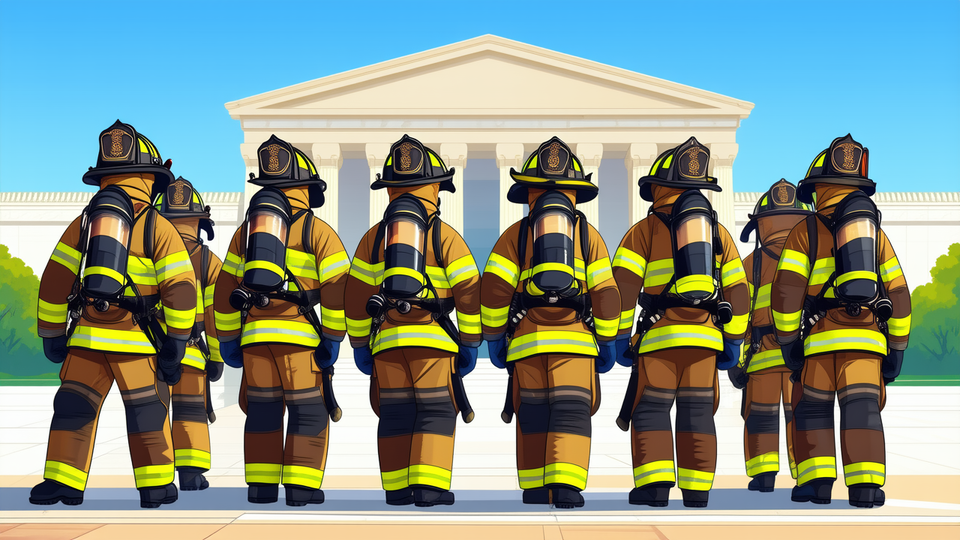
The U.S. Supreme Court declined on October 5, 2026 to review a Ninth Circuit decision that upheld Snohomish Regional Fire & Rescue’s refusal to provide religious accommodation to eight firefighters who objected to the agency’s Covid‑19 vaccine mandate.
The firefighters, known as the Snohomish Eight, had asked the department to exempt them on the basis of sincere religious beliefs. SRFR rejected the request, citing potential health risks, operational costs and liability. The agency placed the men on unpaid leave and eventually allowed them to seek employment with neighboring fire departments, where they reported no accommodation issues.
The Ninth Circuit found that accommodating the exemption would have imposed an undue hardship on the fire department, referencing unrebutted medical evidence that the firefighters’ proposed safety measures were insufficient. The appellate court’s ruling therefore stood, and the Supreme Court’s denial left it unchanged.
Attorney Jennifer Kennedy, who represented the firefighters before the Ninth Circuit, called the Supreme Court’s inaction a loss “for religious workers across America.” She referenced the 2023 Groff decision, which had raised the standard for employers claiming undue hardship in religious accommodation cases.
First Liberty Institute, the nonprofit law firm that assists the firefighters, issued a statement condemning the decision, saying it “took away the religious liberty rights of our clients.” The organization pledged to continue fighting for workplace religious accommodations.
Legal scholar Dallan Flake of Gonzaga University noted that the Court has historically been hesitant to hear religious accommodation cases, having decided only four such matters since the 1972 civil‑rights amendment. He suggested the denial allows the conservative Court to avoid a ruling that could be perceived as anti‑religious‑freedom or hostile to business interests.
The outcome underscores the ongoing legal tension between public‑health measures and individual religious rights, especially in essential services such as emergency response. As the case remains unresolved at the appellate level, the firefighters and other employees seeking similar exemptions may face continued obstacles in securing workplace accommodations.





