

South Florida Families Grapple with Missing Loved Ones After Venezuelan Earthquakes
South Florida Families Grapple with Missing Loved Ones After Venezuelan Earthquakes
In late June 2026, Venezuela was struck by two back‑to‑back earthquakes measuring 7.2 and 7.5 on the Richter scale. The official death toll rose to roughly 235, with over 4,300 injuries, but the human cost extended far beyond the borders of the country. In South Florida—home to a vibrant Venezuelan community—families were suddenly thrust into a frantic search for relatives who may have been caught in the disaster.
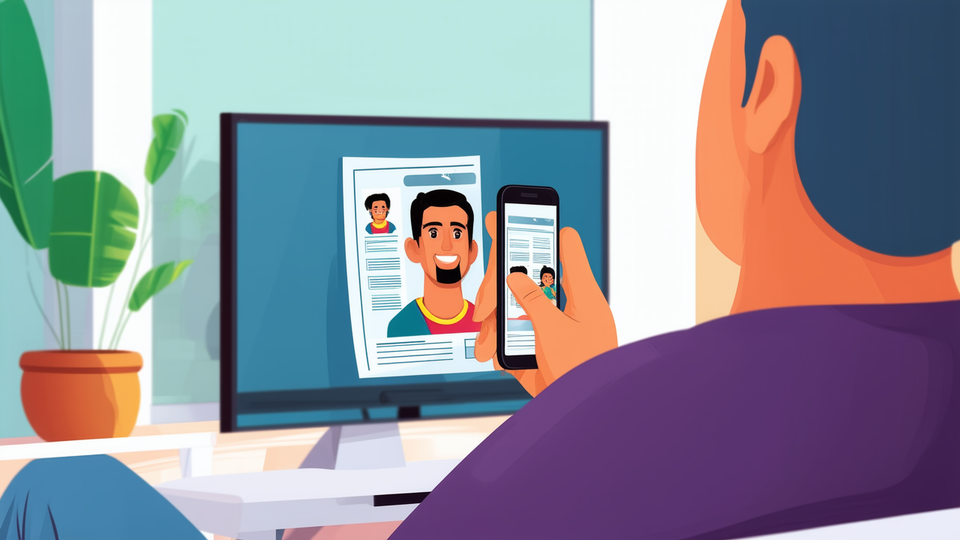
Residents of Miami, Fort Lauderdale, and other South Florida areas turned to the tools of modern communication. Many posted digital flyers on platforms such as WhatsApp, Facebook, and X, sharing photos and details of missing family members. One striking example is the case of Vanesa Marcano, a 31‑year‑old who posted pictures of her uncle and aunt living in La Guaira, a region heavily damaged by the tremors. She also noted that her uncle’s daughter and a seven‑year‑old grandson from the United States were among those possibly missing. Another community member, Jhoyser Concalves, posted a “MISSING” flyer after losing contact with his partner and her daughter minutes before the shaking.
Social media proved essential, especially as official government statistics lagged. Independent online registries documented up to 40,000 missing Venezuelans—far exceeding the government’s reported figures. These registries allowed families abroad to record and search for loved ones, creating a digital safety net in a time of crisis. The United Nations human‑rights mission highlighted the importance of this access, urging the Venezuelan government to lift local restrictions that block platforms like X and Signal. Following the UN’s appeal, users in Venezuela briefly regained the ability to post on X, offering a crucial lifeline for those trying to locate missing relatives.
South Florida’s diaspora narrated both loss and resilience. Stefanny Tenia, a producer for NBC6, shared her personal anguish while searching for her uncle, Alcedes Rausseo Mata, who lives alone in La Guaira. Tenia posted her uncle’s photo online, hoping the broader community could spot him or learn of his whereabouts. While the search continues, another story offered a glimmer of relief: Paula Rodriguez, also in South Florida, successfully found her missing cousin, illustrating that the collective effort can sometimes bear fruit.
Beyond individual stories, the collective experience underscored how technology, community solidarity, and international advocacy intersect in disaster response. Venezuelans abroad rallied around digital tools, creating registries and sharing information at a scale that surpassed traditional channels. Their efforts highlighted the importance of open communication platforms, especially when physical infrastructure is devastated.
As the weeks pass, the South Florida Venezuelan community remains vigilant. The emotional toll is evident; many describe a “feeling of impotence and uncertainty,” yet they continue to post updates, organize online support groups, and appeal for aid. Their perseverance reflects a broader commitment to family, faith, and the hope that technology can bridge the distance between continents, even in the darkest moments.





