

PG&E Rate Hikes Spike as California Green Policies Drive Costs Higher
Rate Hikes and Green Policy Debate
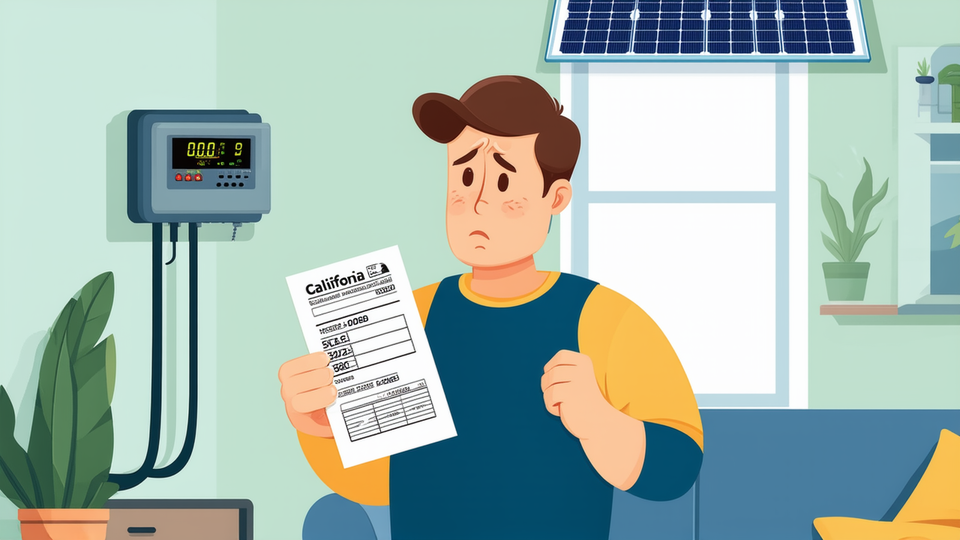
Pacific Gas and Electric (PG&E) serves roughly 16 million customers across 70,000 square miles of northern and central California, operating about 5.5 million electric and 4.5 million gas accounts. In its 2027‑2030 General Rate Case, the utility proposes an 8 percent revenue increase for 2027 followed by annual hikes of 6.1 percent. The California Public Utilities Commission’s Public Advocates Office projects that the typical household will see its bill rise by $444 in 2027 and by $840 by 2030—an increase of roughly 30 percent over current levels.
These numbers clash with PG&E’s own forecasts, which suggest a modest $128 rise next year and incremental increases thereafter. PG&E argues that temporary charges are expiring and that the overall trajectory will remain flat. Critics, however, point to the state’s aggressive electrification agenda—mandated heat pumps, induction stoves, and electric‑vehicle chargers—as a key driver of the projected cost surge. By requiring new construction to be all‑electric, the policy reduces natural‑gas usage, shrinking pipeline revenue while spreading fixed pipeline costs across fewer customers, a classic “death spiral” that pushes per‑therm rates higher for remaining gas users.
The transition also imposes substantial upfront expenses on homeowners. Retrofitting a typical home for full electrification can cost between $10,000 and $30,000, even after available rebates. While PG&E advertises potential annual savings of $714 from heat‑pump adoption, many families find the initial outlay prohibitive, especially renters and low‑income households who face steep utility bills already. Time‑of‑use pricing further compounds the issue, penalizing customers who charge vehicles or run appliances during peak evening hours.
Public sentiment reflects growing frustration. Residents such as Sally Hammons, a 76‑year‑old Bay Area homeowner, report annual electricity and gas charges nearing $9,000, with monthly bills fluctuating between $433 and $1,119 despite minimal heating or cooling use. Small business owners echo these concerns, noting that even a warehouse with only lighting and computers incurs $700‑$800 monthly utility costs. The Public Advocates Office warns that without policy adjustments, the average bill could already be 84 percent higher than in 2016, a stark increase for a state already known for high living costs.
Local officials are not immune to the pressure. San Francisco, after a century of partnership with PG&E, is revisiting municipalization, arguing that direct public control could better balance grid modernization, wildfire safety, and affordable rates. Yet critics caution that city‑run utilities face similar financial challenges, lacking the economies of scale and capital access of a large investor‑owned utility.
Amid the debate, the California regulator remains poised to approve the rate case in 2027 unless significant reforms emerge. Stakeholders call for a more phased approach to electrification, stronger financial assistance for low‑income families, and transparent accounting of the true cost benefits of reduced emissions. Balancing climate goals with consumer protection will be essential to ensure that the green transition does not become a financial burden for the very households it aims to serve.
In the meantime, customers across the state must brace for higher bills while navigating the trade‑offs of a rapidly evolving energy landscape. The outcome will shape California’s role as a national leader in clean energy and set a precedent for how utilities, regulators, and policymakers can work together to achieve sustainable, affordable power for all.





