

Pennsylvania Communities Rally Against Data Center Impacts
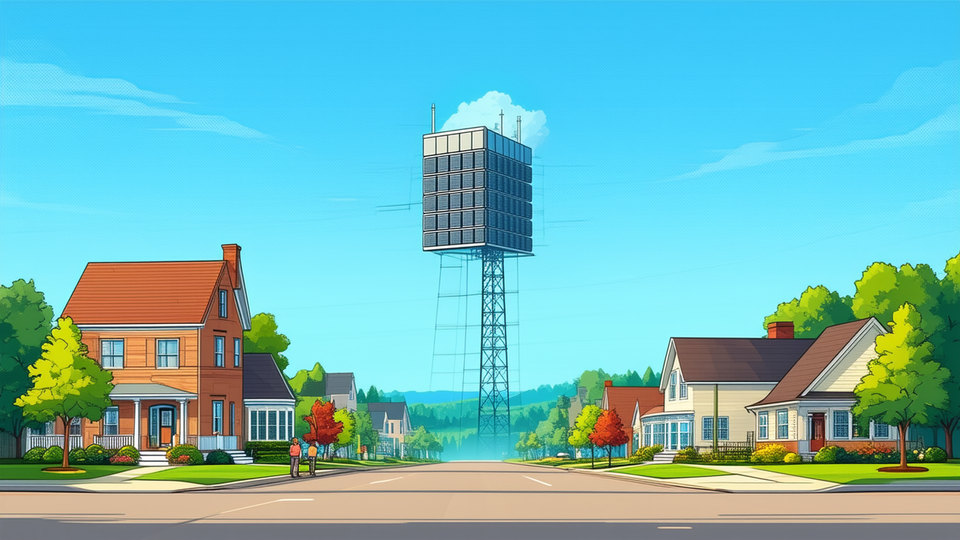
Big technology projects have brought new jobs, but in Pennsylvania they also bring outsized demands on power, water, and neighborhood livability. The rapid rollout of data centers—facilities that house rows of servers running 24/7—has raised alarms about higher utility bills, increased heat, and persistent noise that can affect nearby homes and schools.
Local governments are turning to Pennsylvania’s Municipalities Planning Code to control these impacts. While a municipality cannot outright ban a legal use, it can dictate where a data center may sit and under what conditions. Many townships have designated data centers as a “conditional use” or “special exception,” requiring a hearing before the governing board. This process lets officials examine site plans, demand environmental impact studies, and verify that projects will not overburden existing infrastructure.
Setback requirements are a common tool. Ordinances across the state range from 50 to 400 feet, with larger buffers typically required near homes, schools, or hospitals. Noise‑study submissions are also standard, helping officials gauge background levels and require mitigation measures such as sound‑absorbing barriers or limited operating hours.
Community benefits agreements are emerging as another lever. By negotiating directly with developers, towns can secure commitments for local hiring, infrastructure upgrades, or contributions to emergency‑response planning. These agreements translate abstract concerns into concrete benefits for residents.
The situation in Archbald—a borough of about 7,500 people—highlights the stakes. Residents have voiced fears that a wave of 51 proposed facilities could cover 14 % of the town’s land, potentially displacing mobile‑home tenants and altering the local landscape. Video testimony on social media underscored worries about wildlife loss, increased traffic, and the visual blight of towering data‑center structures. While the town has seen at least one project rejected and a wave of council resignations, the episode illustrates how citizen activism can push back against unchecked expansion.
Other municipalities such as East Vincent Township and Jessup Borough have already amended zoning codes to address data‑center siting. They have mandated detailed water‑use forecasts, required developers to demonstrate that local electric rates will remain stable, and asked for cooling‑system designs that minimize heat‑island effects. In several cases, officials have required developers to share the cost of new roads or upgrades to storm‑water systems.
Beyond local ordinances, state‑level utilities regulators are watching these trends. The Public Utility Commission’s oversight of rate impacts ensures that any increase in demand from a data center does not automatically translate into higher bills for residential customers. However, the on‑the‑ground reality shows that proactive local action remains the most effective safeguard.
As Pennsylvania towns continue to refine their zoning language and engage residents in public hearings, the broader lesson is clear: transparent, data‑driven planning and strong community voice are essential to balancing technological progress with the everyday needs of neighbors. By demanding clear answers and concrete protections, Pennsylvanians are shaping a future where data centers coexist with healthy, thriving communities.





