

NYC Democratic Primary Upset Risks National Election Prospects
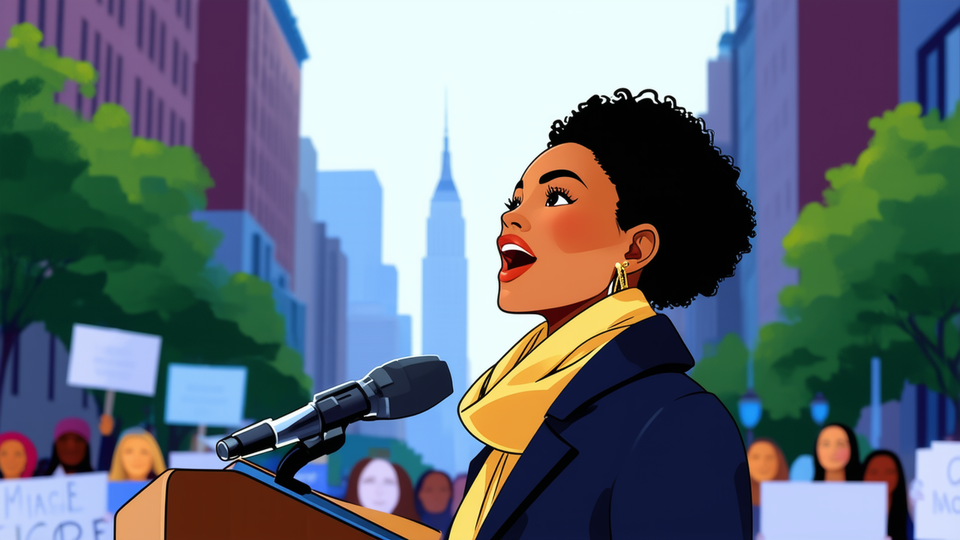
On June 25, 2026, New York City’s Democratic primaries delivered an unexpected result that reverberated far beyond the borough. Darializa Avila Chevalier, a 32‑year‑old community organizer and member of the Democratic Socialists of America, defeated long‑time incumbent Rep. Adriano Espaillat in the 7th Congressional District. The primary saw a historically low turnout – only about 20% of registered Democrats – with Chevalier securing 32,790 votes to Espaillat’s 30,464.
Chevalier’s campaign drew national attention for her past social‑media posts that included calling President Joe Biden a “rapist” and “war criminal,” branding the United States a “f*cking disgrace,” and boasting about using the American flag as a napkin. She also advocated for the abolition of prisons, ICE, and private property, and publicly rejected the deportation of violent criminals. In 2021 she posted a profane dismissal of Vice President Kamala Harris, saying, “F*ck Kamala Harris.” These statements, now resurfaced in the media, have prompted widespread criticism from both progressive and moderate Democrats.
Republican commentators quickly seized on the outcome. Fox News host Jessica Tarlov, appearing on The Five, warned that the Democratic Party risked losing critical seniority and experience if candidates like Chevalier advance to Congress. She highlighted that Espaillat, as chair of the Congressional Hispanic Caucus and the first undocumented immigrant to serve in Congress, brought valuable seniority that could be leveraged for the party’s legislative agenda. Tarlov suggested that the primary could open the door for an independent or third‑party run, further fracturing the Democratic vote in the general election.
Among Democrats, the reaction has been mixed. Some view Chevalier’s win as a reflection of grassroots dissatisfaction and a desire for bold, anti‑establishment policies. Others, including seasoned leaders such as Rep. Gregory Meeks and former DNC chair Jaime Harrison, expressed alarm that her rhetoric could alienate Hispanic, Black, and Jewish voters – essential constituencies in swing districts across the country. The concern is that Chevalier’s platform might amplify existing partisan divides, making it harder for Democrats to unite behind moderate candidates in key battleground states.
Political analysts note that while New York City is a reliably Democratic stronghold, the appeal of candidates from the Democratic Socialists of America tends to dissipate in more moderate, suburban, and rural districts. The emergence of a figure who “cannot win nationwide” could limit the party’s ability to capture the 218 seats needed for a House majority. Moreover, the low turnout raises questions about voter engagement and whether similar insurgent candidates could threaten Democratic incumbents elsewhere, potentially reshaping the party’s national strategy.
Republican strategists have already framed Chevalier’s victory as a “gift to the GOP,” arguing that her extreme positions will provide ample material for campaign attacks and distract Democratic leadership from focusing on policy. If Chevalier wins the general election, her presence in Congress could become a focal point for Republican messaging, especially in discussions about national security, immigration, and foreign policy.
As the 2028 presidential election approaches, the ramifications of the New York City primary will likely be examined closely. The Democratic Party faces a pivotal decision: whether to double down on progressive activism or recalibrate toward candidates with broader electoral appeal. The outcome will shape not only the composition of New York’s congressional delegation but also the party’s prospects in swing districts nationwide.





