

Michigan Senate race pits Mike Rogers against Abdul El‑Sayed as national testing ground
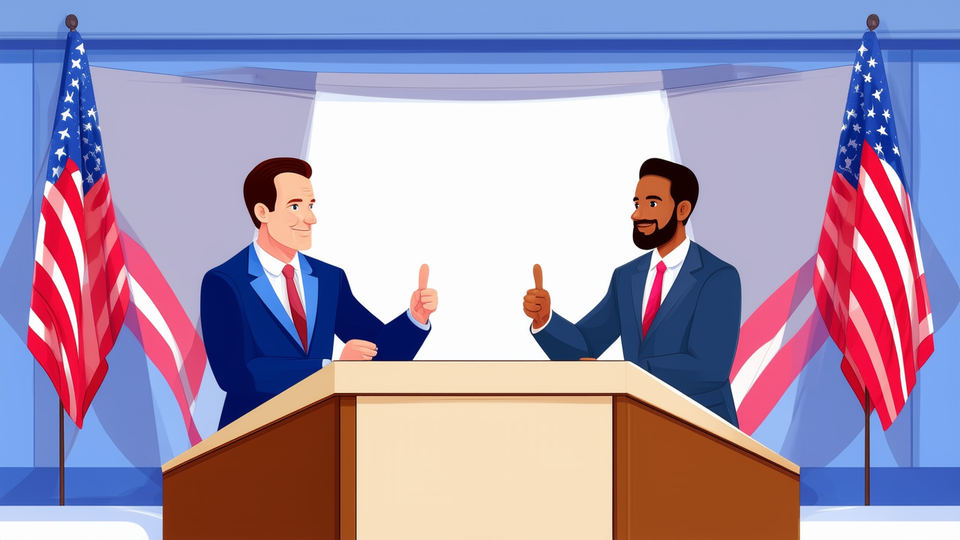
Republican U.S. Senate candidate Mike Rogers and Democratic challenger Abdul El‑Sayed locked horns on May 10, 2026, as Michigan’s race was framed by editors as a testing ground for the nation’s political mood.
Columnists argued that the contest should be approached with solidarity to counter fear and division, urging voters to focus on shared values rather than partisan hostility.
The race has grown unusually competitive. Two September surveys cited by analysts show El‑Sayed holding a narrow lead over Rogers as the midterm campaign entered its final stretch, with voters increasingly focused on household costs.
Michigan’s status as a purple swing state adds weight to the battle. The state supported President Trump in both the 2016 and 2024 elections, underscoring its potential to swing either direction in federal contests.
Republicans view the contest as a rare opportunity to flip a Senate seat that Democrats have occupied for 47 years. Campaign strategists suggest that high‑profile visits from President Trump and Vice President JD Vance could tip the balance in the closing weeks.
Both sides have deployed aggressive advertising. Rogers’ ads have highlighted tax numbers and occasionally featured his wife, while critics argue such spots have not resonated. El‑Sayed’s opponents have run attacks labeling him a communist and questioning his stance on defunding police, though his campaign counters that such attacks mischaracterize his record.
Beyond the candidates, the race reflects broader national dynamics, with observers noting how messaging, fundraising, and voter concerns in Michigan may foreshadow trends in other battlegrounds.
The next weeks will test whether Michigan voters respond to calls for unity or remain entrenched in partisan divides as the state prepares to cast its ballots.





