

Mayor Daniel Lurie blames progressive policies for San Francisco public‑safety crisis
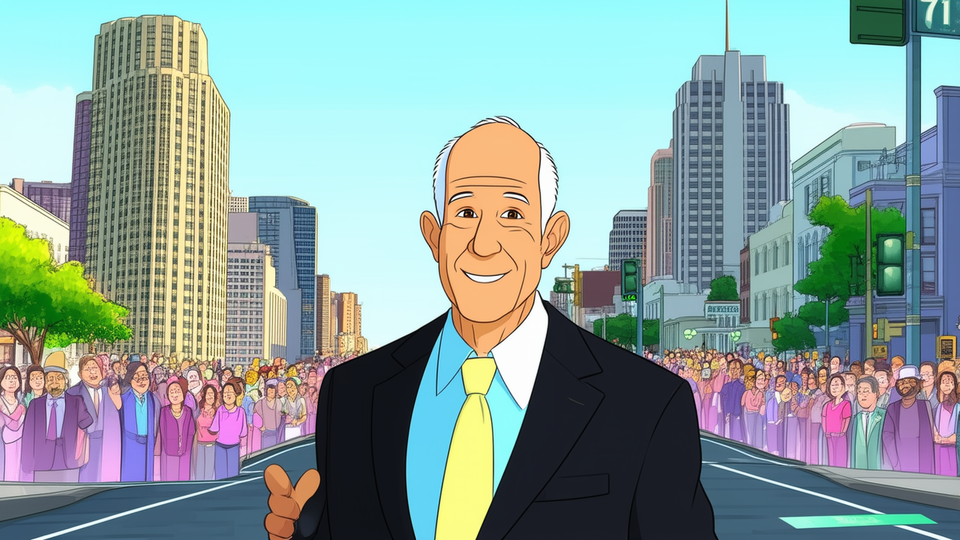
San Francisco Mayor Daniel Lurie told CNN on Oct. 9, 2026 that the city’s embrace of progressive policies had contributed to a public‑safety crisis, citing 810 overdose deaths three years earlier and a 90 percent decline in car break‑ins after recent policy changes.
Speaking with CNN anchor Dana Bash, Lurie, a moderate Democrat and heir to the Levi Strauss fortune elected in 2024, said his administration is now focused on “common sense” and “good governance” to address the streets’ drug and crime problems.
“We lost our way as a city,” Lurie said. “We were focused on the wrong things, and today we’re focused on delivering results for the people of San Francisco.”
Lurie argued that allowing open‑air drug use and tolerating repeated thefts had harmed small businesses and endangered residents. He noted that “there’s nothing progressive about 30,000 car break‑ins,” adding that the number of such incidents has dropped by 90 percent under his policies.
The mayor also highlighted the human cost of the overdose epidemic, recalling the 810 lives lost to drug overdoses three years ago, and pledged not to “walk by somebody on the street and not do anything anymore.” He positioned these issues as top priorities alongside broader governance reforms.
In the interview, Lurie distinguished his support for progressive values such as immigrant rights and LGBTQ+ protections from what he described as a “victim mindset” that, in his view, allowed crime to proliferate. He said his administration is cutting red tape and permitting requirements to help small businesses thrive.
Former President Donald Trump, who praised Lurie in a March cabinet meeting, called the mayor “a Democrat who’s trying very hard.” Political strategist Kaivan Shroff echoed Lurie’s criticism of “woke” policies, saying the left has sometimes let “the loudest voices dictate everything at the cost of a functioning city.”
Lurie’s comments come as city officials continue to grapple with homelessness, mental‑health challenges, and the lingering effects of the pandemic exodus. While supporters view his shift toward “common‑sense” governance as a needed correction, critics argue that his policies may not go far enough to address systemic issues.





