

Lake Powell’s Decline Sparks Ecological Revival in Glen Canyon
Lake Powell’s Decline and Glen Canyon’s Recovery
Lake Powell, the massive reservoir on the Colorado River, has not been full since 1999. As the lake drops, about 100,000 acres of shoreline and dozens of miles of river have resurfaced, exposing the once‑submerged Glen Canyon. This loss of water threatens the dam’s ability to generate power and jeopardizes water supplies for millions, yet the lower water line also opens a rare ecological window.
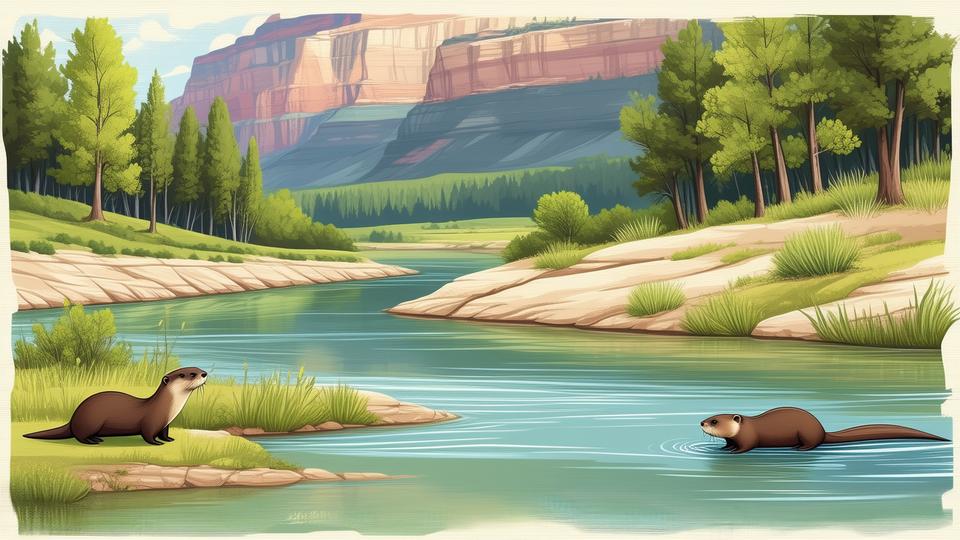
The newly exposed canyon now shows revived cottonwood stands, native grasses overtaking invasive species, and the return of wildlife such as river otters, beavers, and peregrine falcons. Zak Podmore, author of *Life After Dead Pool*, notes that these habitats are beginning to resemble conditions that existed before the dam’s construction, offering a living laboratory for scientists and conservationists.
Beyond wildlife, the retreat has uncovered cultural treasures—ancestral Puebloan pottery, baskets, and stone tools—reminding us of the land’s historic significance. Researchers and local volunteers are documenting these artifacts to preserve the region’s heritage while protecting fragile ecosystems.
Community groups and environmental agencies are coordinating restoration projects. Efforts focus on stabilizing riverbanks, replanting native vegetation, and monitoring water quality to support the rebounding habitats. By managing human access and encouraging responsible recreation, they aim to balance ecological recovery with tourism that sustains local economies.
While Lake Powell’s shrinkage signals urgent challenges for water management across the Southwest, the emerging natural recovery illustrates the resilience of ecosystems when pressures ease. This dual narrative underscores the importance of sustainable water policies and active stewardship to protect both human needs and the environment.





