

Justice Department eases political activity rules for senior officials on Oct. 11, 2026
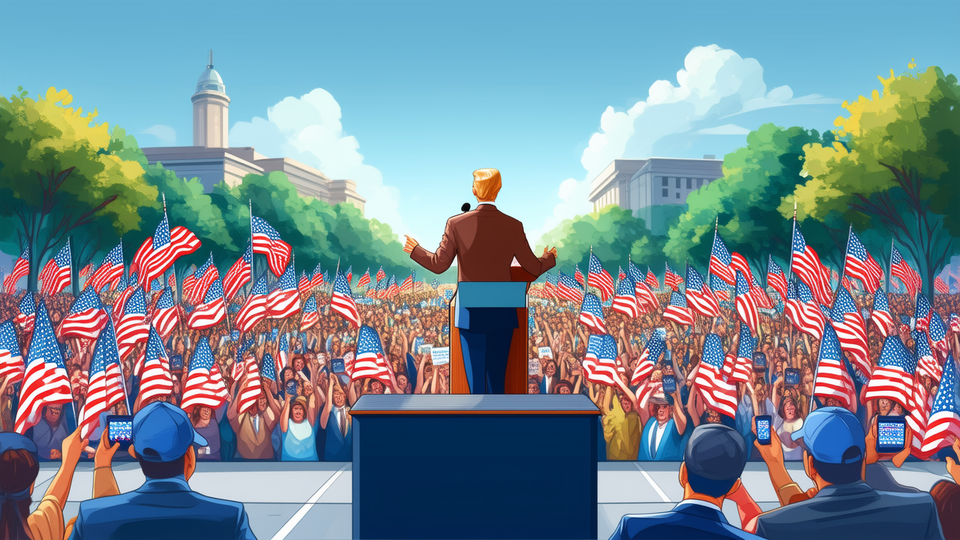
The U.S. Justice Department announced on Oct. 11, 2026 that senior officials may now engage in partisan political activities while remaining in their positions.
The change, outlined in an internal memorandum authored by Assistant Attorney General Jolene Ann Laurie, relaxes long‑standing rules that limited how senior DOJ appointees could participate in politics. The guidance permits officials confirmed by the Senate to take part in activities such as speaking at political rallies, campaigning for candidates, canvassing for votes, and serving as delegates or officers within a national political party, provided they act in a personal capacity.
According to the memo, the policy applies to the attorney general, deputy attorney general, assistant attorneys general, the FBI director and U.S. attorneys. By extending the allowance to these high‑ranking officials, the Department signals a shift toward greater flexibility for senior appointees to express political views without resigning.
The new guidance arrives amid broader discussions about the role of government officials in the political arena. Proponents argue that allowing senior officials to engage in the democratic process can enrich public debate and reflect the personal convictions of experienced public servants. Critics, however, warn that the relaxation could blur the line between impartial law enforcement and partisan advocacy, potentially undermining confidence in the Department’s neutrality.
While the memorandum does not alter the legal requirement that officials avoid official actions that benefit a campaign, it clarifies that personal political activity is permissible. The Department emphasized that officials must still comply with existing ethics rules and avoid any appearance of using their office for partisan advantage.
Legal analysts note that the policy change may prompt increased scrutiny from watchdog groups and could lead to future guidance clarifying the boundaries of permissible conduct. The Department has not indicated whether similar relaxations will apply to lower‑level staff or other federal agencies.
As the Justice Department puts the new rules into effect, observers will watch how senior officials navigate their expanded political freedoms and whether the shift influences future ethics policy across the federal government.





