

June 2026: Multiple Aviation Crashes Prompt Nationwide Safety Review
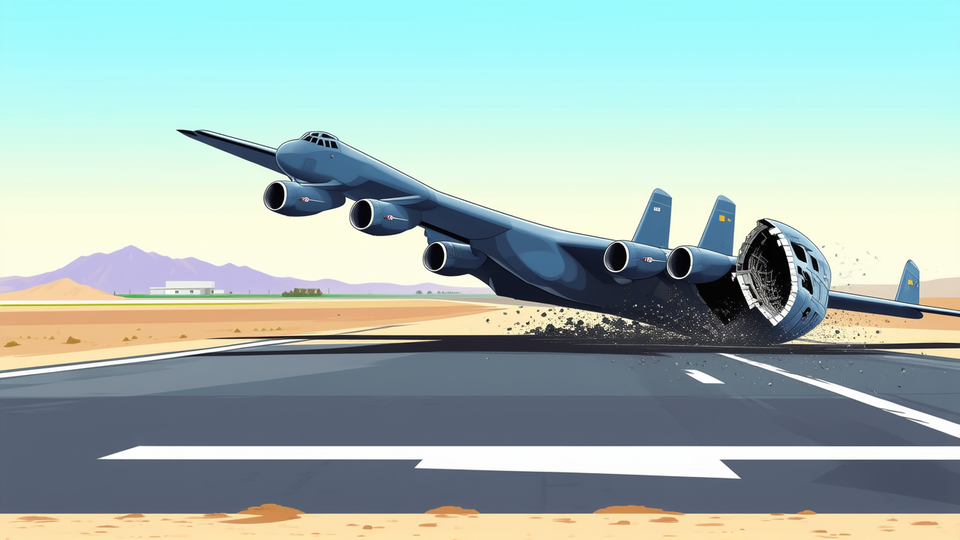
Series of Aviation Accidents in June 2026
During a single week in June, four separate aircraft incidents captured national attention. A private Cessna 680A jet departing from Mexico for Austin, Texas, lost power and crashed on Loop 20 in Laredo, killing one passenger and injuring five. The National Transportation Safety Board opened a separate investigation to determine mechanical factors.
One day later, an Air Force B‑52 Stratofortress on a radar‑modernization test flight at Edwards Air Force Base in California suffered a catastrophic failure shortly after takeoff, killing all eight crew members. The military investigation, expected to take several months, will examine whether a system malfunction or human error contributed to the tragedy.
In Missouri, a sky‑diving aircraft carrying eleven passengers and a pilot crashed near Butler Memorial Airport, killing all aboard. Early reports suggest a possible engine issue, but the NTSB has not released a definitive cause. The United States Parachute Association emphasized the deep impact on the close‑knit sky‑diving community.
Finally, a Marine Corps F/A‑18 Hornet crashed in the mountainous terrain of Washington state, igniting a wildfire. The pilot ejected with only minor injuries, and investigators are assessing whether an equipment fault or flight‑path error led to the mishap.
Dr. Kristy Kiernan of Embry‑Riddle Aeronautical University highlighted that each crash involved different aircraft types, operators, and regulatory frameworks, making a single common cause unlikely. Nevertheless, the coincidence of events has spurred public calls for stricter oversight and faster safety upgrades.
Across these investigations, experts stress the value of transparent reporting and the application of emerging safety technologies. Modern sensor systems, real‑time data sharing, and rigorous maintenance protocols can help prevent future accidents. By learning from each incident, the aviation community aims to uphold the highest safety standards for both civilian passengers and military personnel.
As the investigations proceed, the aviation sector remains vigilant. Ongoing collaboration between the Federal Aviation Administration, the NTSB, and military authorities will be essential to address any systemic issues and restore confidence in air travel.





