

Japan Fans' Stadium Cleanup Sparks Debate on Gender Equality
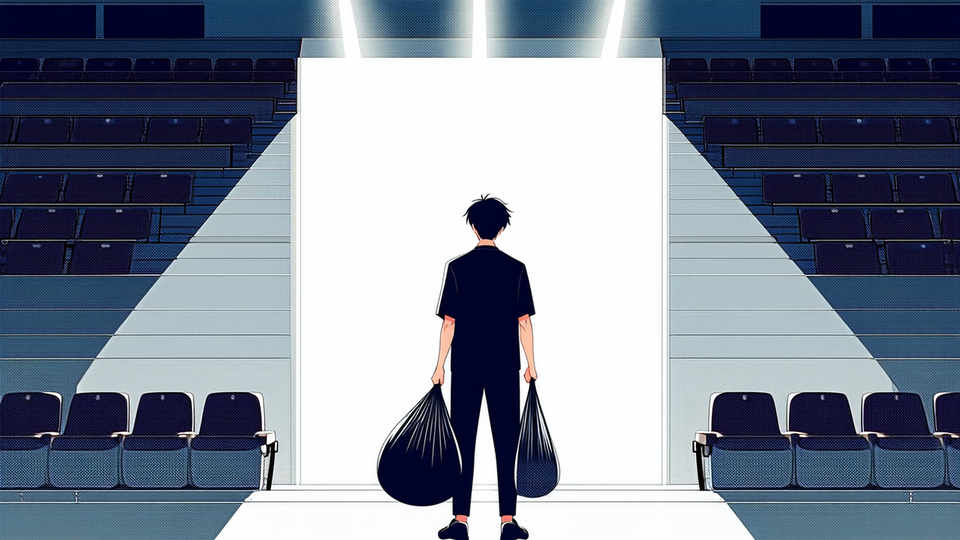
Gender Double Standard in World Cup Stadium Cleanup
During the 2026 FIFA World Cup, images of Japanese fans collecting trash in stadium stands captured worldwide attention. The scenes were celebrated as a display of civic pride and a tradition that many fans have embraced for years, even receiving praise from Japan’s national team coach, Hajime Moriyasu.
Social media quickly turned the spotlight on a contrasting reality at home. A viral poster juxtaposed a cheering fan holding a trash bag with the same man lounging on a sofa, phone in hand, while his wife handled dishes and laundry. The caption urged men to "pitch in more at home," highlighting that Japanese men, on average, spend only 47 minutes a day on unpaid work, whereas women spend more than three hours. This disparity widens dramatically in dual‑income families with children under six, where women log over seven hours of household chores daily compared to less than two hours for men.
These statistics, drawn from OECD data, underscore a longstanding gender gap in Japan’s division of domestic labor. While public clean‑up efforts are praised, the same level of commitment is often missing from private households. Critics argue that celebrating stadium tidiness without addressing home inequities sends a mixed message about gender roles.
Supporters of the fans’ actions point out that public cleanliness is deeply rooted in Japanese culture, and that encouraging more residents to keep public spaces tidy is a positive societal trend. They also note that the stadium clean‑up tradition may inspire similar community‑based initiatives worldwide.
Nevertheless, the viral response from many women and gender‑rights activists emphasizes that true progress requires consistent effort both in public and private spheres. The conversation has reignited calls for policies that support shared caregiving, such as flexible work hours and parental leave for fathers, to narrow the unpaid‑work gap.
As Japan prepares for the upcoming World Cup, the nation faces an opportunity to align its celebrated public actions with a deeper commitment to gender equality at home. Bridging the divide between stadium cleanup and household responsibilities could transform a moment of national pride into a lasting step toward social justice.





