

Flu Outbreak at Lackland Air Force Base After Vaccine Mandate Ends
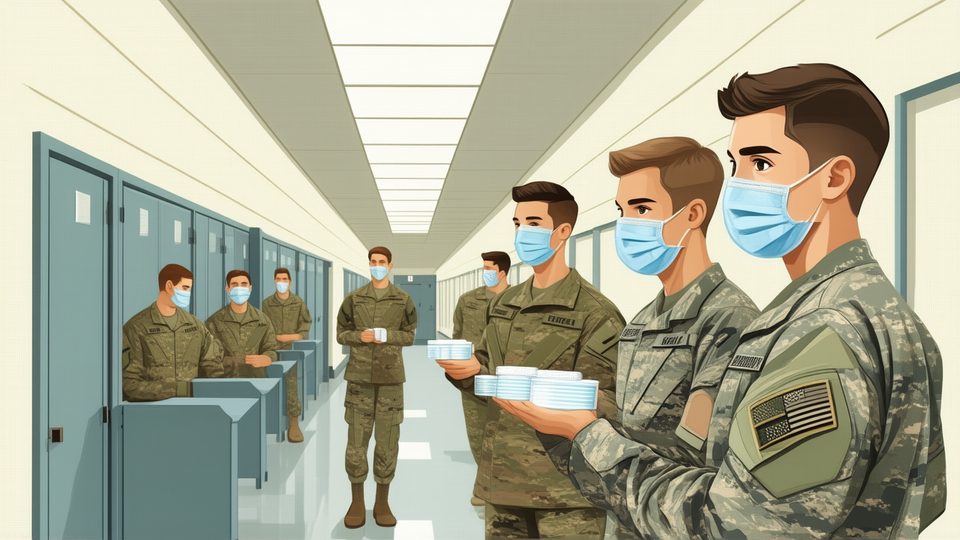
Flu Outbreak at Lackland Air Force Base
In June 2026, a severe influenza outbreak struck Lackland Air Force Base, a major training installation near San Antonio, Texas. The surge followed the U.S. Secretary of Defense Pete Hegseth’s decision in April to end the mandatory flu vaccination program for service members, a move framed as restoring “medical autonomy” and protecting personal faith and convictions.
Within weeks, more than 150 basic‑military trainees fell ill, prompting the base’s medical wing to activate emergency response protocols. The Joint Base San Antonio, home to over 24,000 active‑duty personnel, also supports thousands of civilians and contractors, creating a densely populated environment in which respiratory viruses spread rapidly through shared dormitories, dining facilities, and training spaces.
Military health officials quickly initiated containment measures. Symptomatic trainees were isolated and treated with antiviral medication such as Tamiflu. Close contacts were monitored, and those who developed symptoms received the same care. The 37th Training Wing, working with the 59th Medical Wing, coordinated testing and distribution of supplies, aiming to limit further transmission while maintaining essential training schedules.
The outbreak also raised concerns after a trainee, Keon McDaniel, experienced a medical emergency on June 16 and later died. An investigation was opened to determine any link between the fatality and the influenza outbreak, underscoring the seriousness of the situation.
Health experts had warned that the 2025‑2026 flu season was unusually severe, with infection rates climbing nationwide. The Centers for Disease Control and Prevention reported that only 46 percent of adults received a flu shot that season, leaving a large portion of the population vulnerable. Historically, the military has used vaccination programs to protect force readiness, but the recent policy shift reflects a broader debate about individual rights versus collective safety.
Critics of the mandate removal pointed to the rapid rise in cases at Lackland as evidence that mandatory vaccination can protect both individual service members and the broader mission readiness of the armed forces. Supporters argued that voluntary vaccination respects individual rights and that the military can adapt with targeted medical exemptions and rapid response measures. The Pentagon issued a special exception allowing limited vaccination efforts for high‑risk groups while the broader mandate remained suspended.
Overall, the Lackland incident serves as a case study in balancing personal liberty with collective health security, reminding both military and civilian leaders of the need for vigilance during peak influenza seasons. Continued monitoring and voluntary vaccination will shape future policies as the service works to safeguard the health of its members while honoring the principle of medical autonomy.





