

Europol Uncovers 731 Crime Networks Across Europe
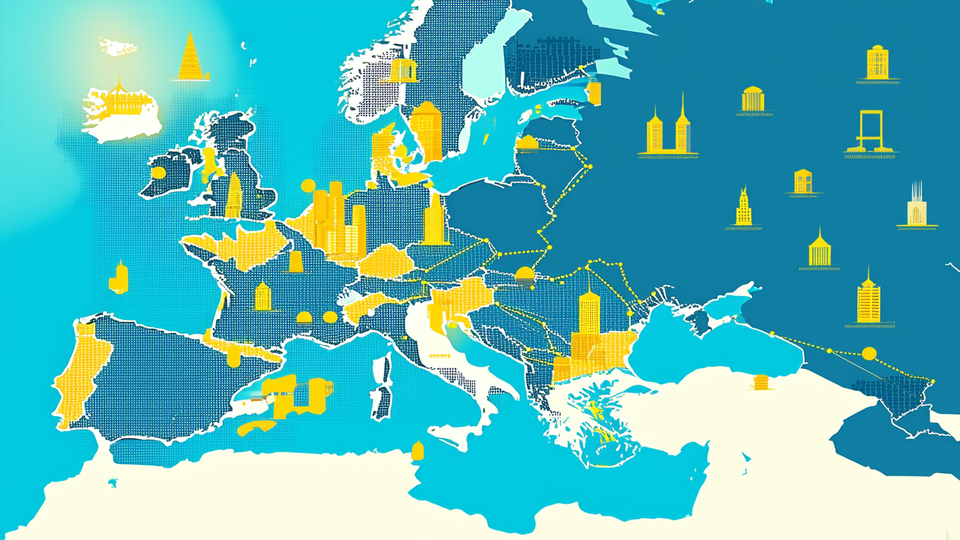
Europol’s 2026 Organized Crime Report
On 26 June 2026 Europol released its latest assessment of organized crime in the European Union, identifying 731 distinct criminal networks that collectively involve more than 400 000 individuals from 118 different nationalities. The report highlights the breadth and depth of illicit activity, spanning drug trafficking, cybercrime, migrant smuggling, human trafficking, fraud and money laundering.
Scale and Evolution
The analysis shows that 76 % of the networks are newly emerged, while a core of 198 groups have persisted from earlier investigations. This rapid turnover reflects the adaptability of criminal organisations, which can quickly restructure after arrests or disruptions. Europol officials note that 85 % of the most threatening networks operate through legal business structures, effectively masking illegal operations behind legitimate companies.
Key Threat Areas
Drug trafficking remains the most prevalent activity, followed closely by sophisticated cyber‑crime operations that exploit digital technologies and artificial intelligence. The report also documents extensive use of corruption and high‑level financial mechanisms that enable the laundering of proceeds across borders. Migrant and human‑trafficking routes are increasingly intertwined with other illicit markets, creating complex, transnational supply chains.
Digital and Financial Threats
Cybercriminals leverage stolen data, ransomware and illicit online marketplaces to generate revenue, while financial criminals exploit gaps in banking oversight to move funds rapidly. Europol warns that the same digital tools used by law‑enforcement are often turned against them, making it essential to secure digital infrastructure and improve information sharing among member states.
Strategic Response
Authorities stress that targeting individual leaders is insufficient; dismantling the logistical, financial and digital infrastructure that supports these networks is essential. Europol’s upcoming reforms include a dedicated cloud platform for joint investigations, an innovation hub to keep pace with emerging technologies, and a budget increase of roughly €1 billion to expand staff from 1 200 to 2 100. Enhanced cooperation with national police forces and private‑sector partners, such as the EU Port Alliance, is also recommended to secure logistical hubs and disrupt financial flows.
Implications for Europe
By exposing the scale of organized crime, the report underscores the necessity for a coordinated European response that combines law‑enforcement capacity with robust regulatory oversight of financial systems. The findings serve as a baseline for monitoring future trends and guiding policy decisions aimed at protecting citizens and preserving the integrity of the single market.





