

Democrats Keep Pressuring Trump on Affordability Even as Gas Prices Fall
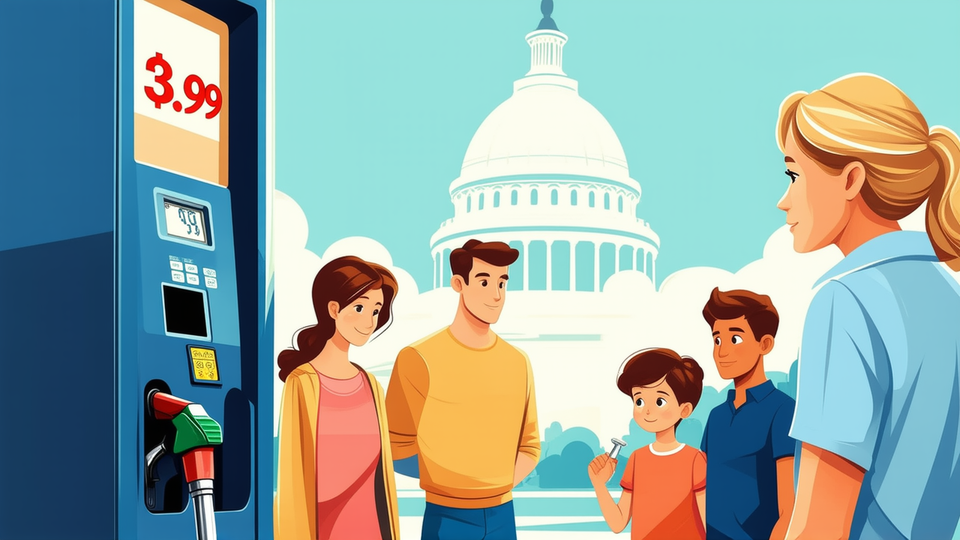
On June 18, 2026, the Associated Automobile Association (AAA) reported that the U.S. average regular‑grade gasoline price dropped to $3.99 per gallon, a welcome relief after months of prices above the $4 threshold caused by the Iran war’s disruption of oil flows through the Strait of Hormuz. President Trump seized the moment, declaring “Let the oil flow!” and framing the price decline as a direct result of his decision to end hostilities.
Yet, Senate Democrats quickly turned the narrative around. Virginia’s Sen. Tim Kaine reminded voters that the public still remembers the February 27 price spike and the hardship it caused. Sen. Ruben Gallego (AZ) echoed the sentiment, saying, “I’m glad gas is down for all Americans, but affordability is not just gas—electricity, housing, food, everything’s expensive.” The commentary expanded beyond fuel, highlighting a series of proposals targeting child‑care, health‑care and energy costs that Democrats say the Trump administration has exacerbated through tariffs and war‑time spending.
In a broader indictment, Rep. Alexandria Ocasio‑Cortez (NY) labeled the nation’s housing and medication costs a “crisis” that simple consumer swaps cannot fix. She argued that the Administration’s policies—ranging from questionable herbicide agreements to money‑laundering accusations—have worsened inflation, leaving the middle class struggling to keep up.
While some Republicans, including Sen. John Cornyn (TX), dismissed the criticism, the Democratic strategy appears clear: use the temporary gas‑price reprieve as an opportunity to spotlight systemic affordability challenges that voters will face long after the pumps become cheaper.
The party’s messaging also incorporates a future‑oriented focus on child care. Sen. Patty Murray (WA) warned that ignoring child‑care costs would “hurt the next generation”, while the Senate’s affordability agenda now includes a robust child‑care plan aimed at expanding access and lowering costs.
Across the political spectrum, the debate underscores a fundamental question: is a short‑term dip in gas prices enough to alleviate the cost‑of‑living pressure on Americans, or does the broader economic landscape — housing, health, energy, and childcare — demand a more comprehensive policy response? Democrats seem convinced that the answer lies in the latter, intent on keeping the affordability narrative front‑and‑center as the election cycle heats up.
As the campaign season approaches, the divergent messages from Trump’s camp—celebrating lower gasoline costs—and the Democrats—linking those costs to deeper economic woes—set the stage for a heated political discourse that could shape voter perceptions well into the 2026 midterms.





