

Christian groups buy West Bank settlement goods in protest of European trade bans
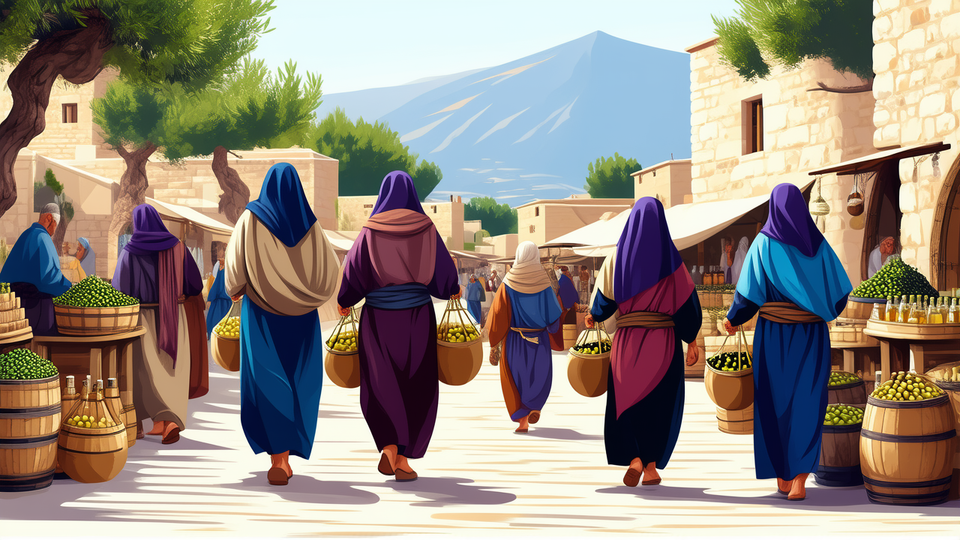
On 13 October 2026, participants of the International Christian Embassy Jerusalem (ICEJ) toured West Bank settlements and bought locally produced goods as a protest against recent European trade restrictions.
The buying spree was organized during ICEJ’s annual Feast of Tabernacles gathering in Jerusalem and was intended to show solidarity with settlers affected by laws enacted in Ireland and the Netherlands and proposed in Norway.
Irish legislation, which took effect on 15 September, blocks imports from designated settlement postal codes but exempts non‑commercial items that travelers keep for personal use. The Netherlands introduced a broader ban on 22 September that also covers souvenirs and gifts in personal luggage. Norway is consulting on a proposal that would forbid both imports and exports linked to settlements, along with certain property and service transactions.
“We brought them here to the Shomron, to Samaria, also down to Gush Etzion, Efrat, to go and show support by buying goods here,” ICEC senior vice‑president David Parsons said.
ICEJ leaders framed the purchases as a direct response to what they describe as attempts to “dry up the settlements and their livelihoods.” Paul Coulter, ICEJ’s national director in Ireland, tore up a copy of the Irish law on camera and urged participants, “Break the boycott. If you can buy Israeli wine, buy it.”
Norwegian ICEJ director Dag Øyvind Juliussen added that the shopping tour was “what we need to do,” emphasizing the historic and religious significance of the region for Christians who view the settlements as part of the biblical heartland.
The differing legal regimes created a practical contrast for travelers. An Irish visitor could return home with a bottle of settlement‑grown wine for personal consumption, while a Dutch visitor carrying the same bottle might face seizure at customs under the Netherlands’ expanded restrictions.
European governments argue that the measures target settlements they consider illegal under international law, citing the International Court of Justice’s 2024 advisory opinion and concerns for a two‑state solution. ICEJ officials dispute that framing, contending that the policies threaten the economic foundations of Jewish communities in Judea and Samaria.
ICEJ’s tour concluded with dozens of Christians carrying bags of wine, olives, honey and crafts, turning ordinary shopping into a political statement aimed at countering the trade bans.





